

Two fuels, the same origin.
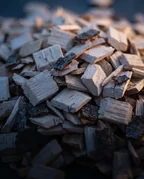
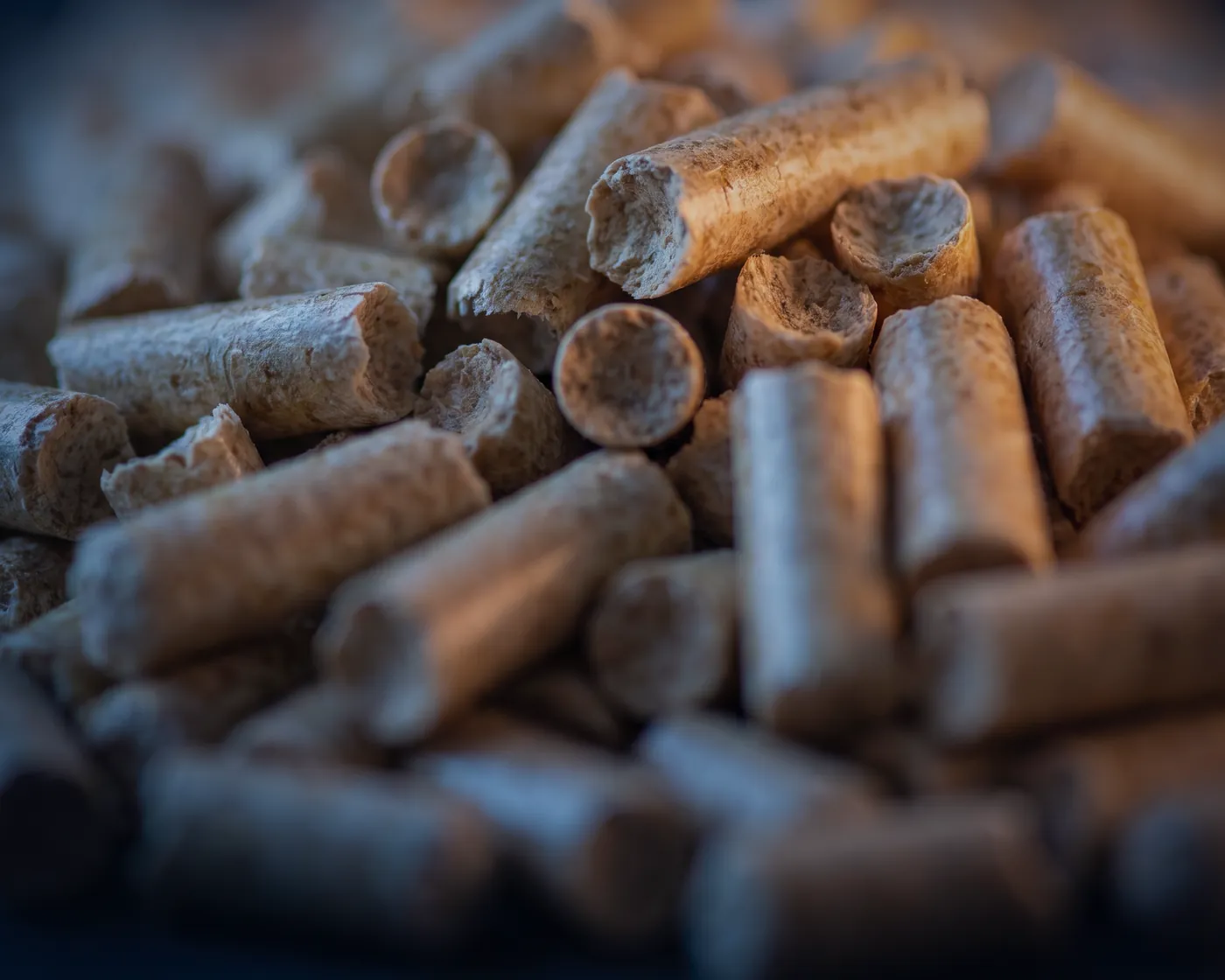
Wood chips are finely chipped wood from the less valuable parts of the tree. Pellets are dried and ground sawdust and other by-products, pressed into small rods.
Wood chips are one of the cheapest fuels to heat with, but they take up more space and vary more in moisture and size. Pellets are even and dry and take up little space. Which suits you best often depends on how much heat you need and how much space there is.
Wood chips and pellets compared.
Wood chips
- One of the cheapest ways to heat – approx. SEK 0.30/kWh bought in, SEK 0.15–0.20 with your own forest.
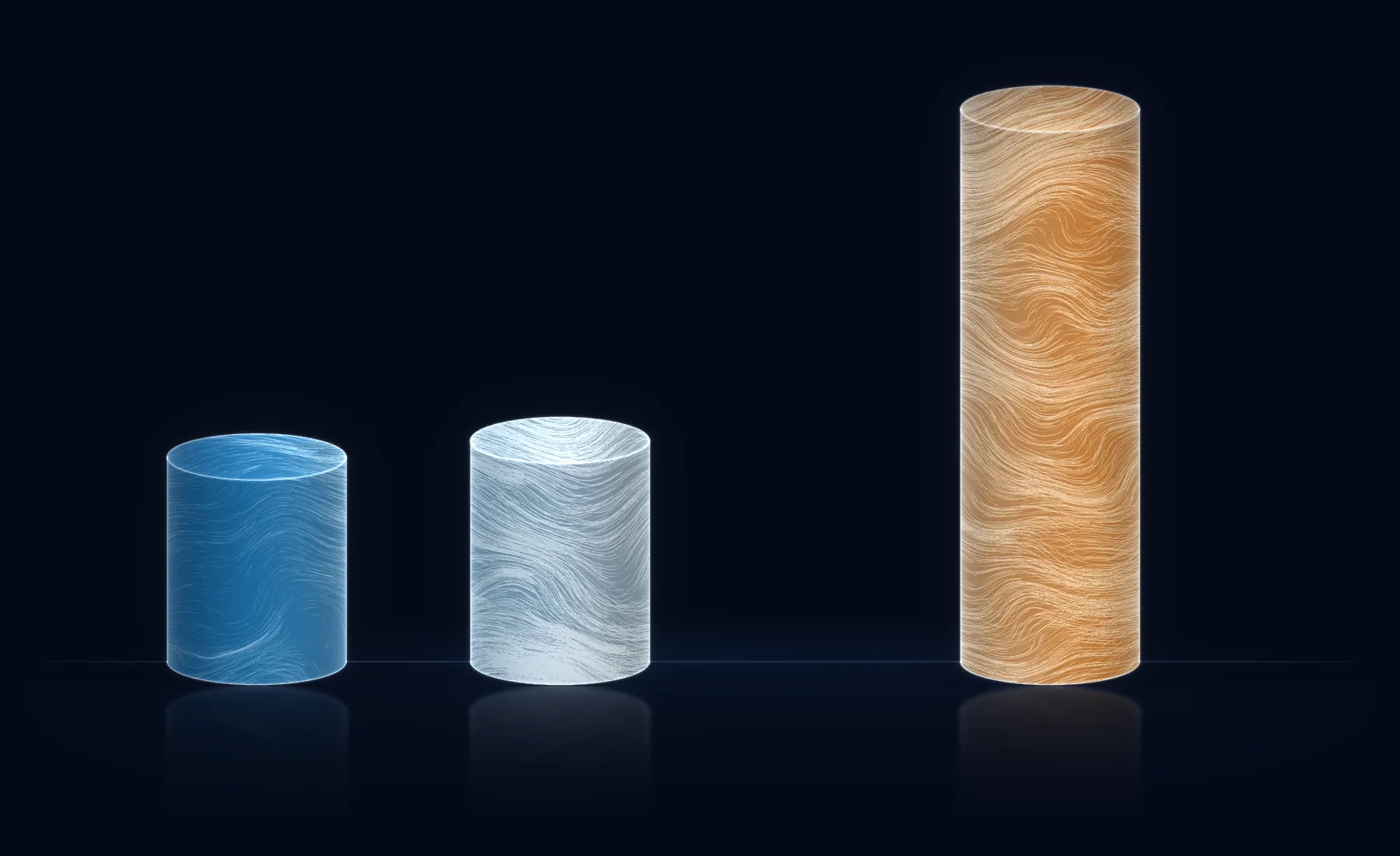
- Takes up space: a 100 kW boiler uses roughly 200 m³ a year.
- Moisture content up to 40 % in the PelleTech boilers.
- Fuel store with a spring agitator, a scraper-floor store or a carport.
- Suits farms with their own forest and larger plants.
Pellets
- An even, dry fuel that is easy to automate.
- Takes up little space: roughly 51 m³ a year for the same boiler.
- Stored in small bags, big bags, bulk or a silo of 11–185 m³.
- A vacuum system can fetch pellets from a store some distance away.
- Suits sites where the store has to be small or filled from a bulk tanker.
Wood chip prices as of 2023. Pellets by volume: the chip volume divided by 3.9.
The space often decides.
For the same heat, wood chips take up roughly four times as much space as pellets. If you have plenty of room and access to wood chips, chips are one of the cheapest ways to heat. If space is limited, pellets can be simpler.
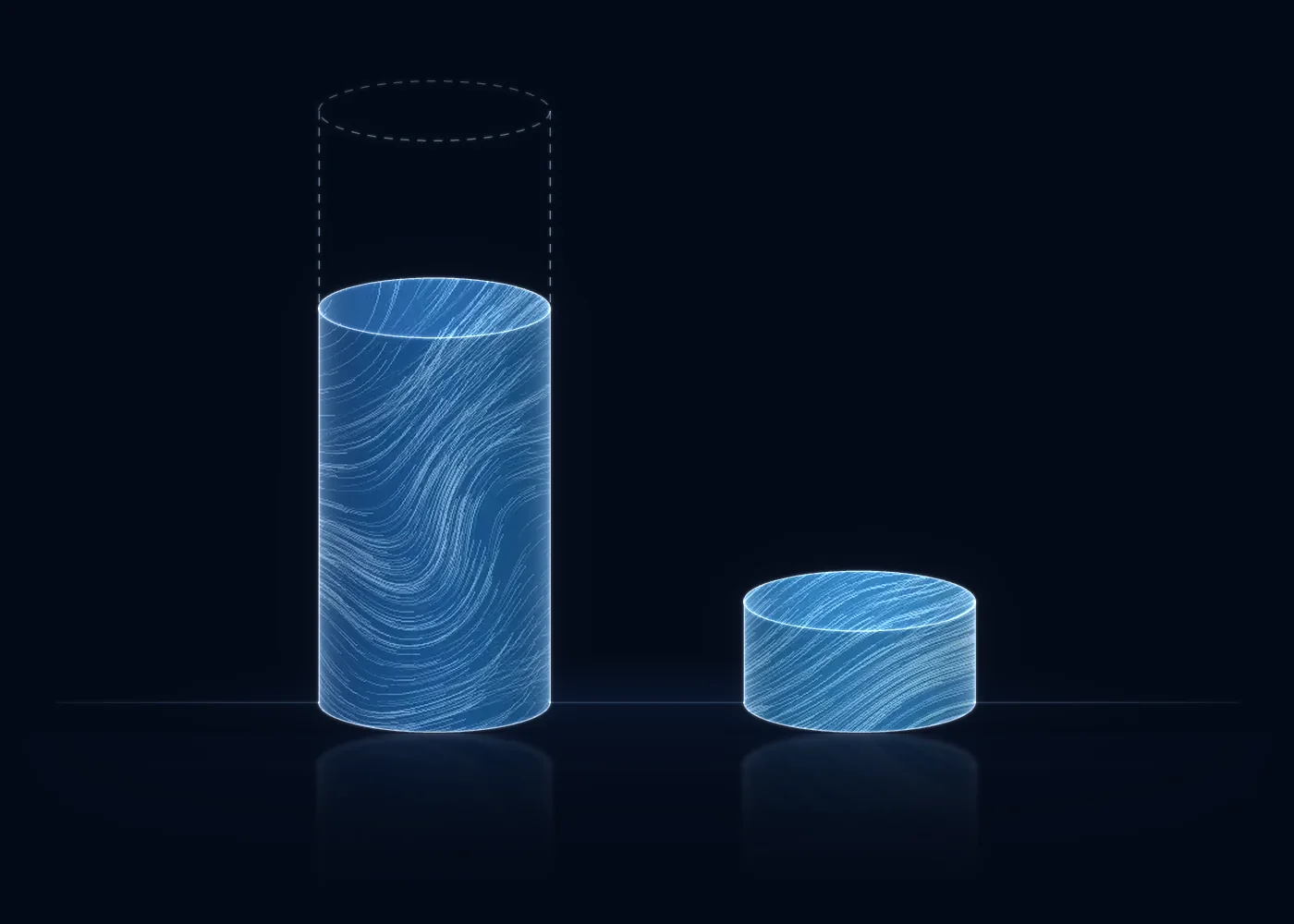
With poorer chipsup to 300 m³
200 m³Wood chips
51 m³Pellets
The same boiler can burn both.
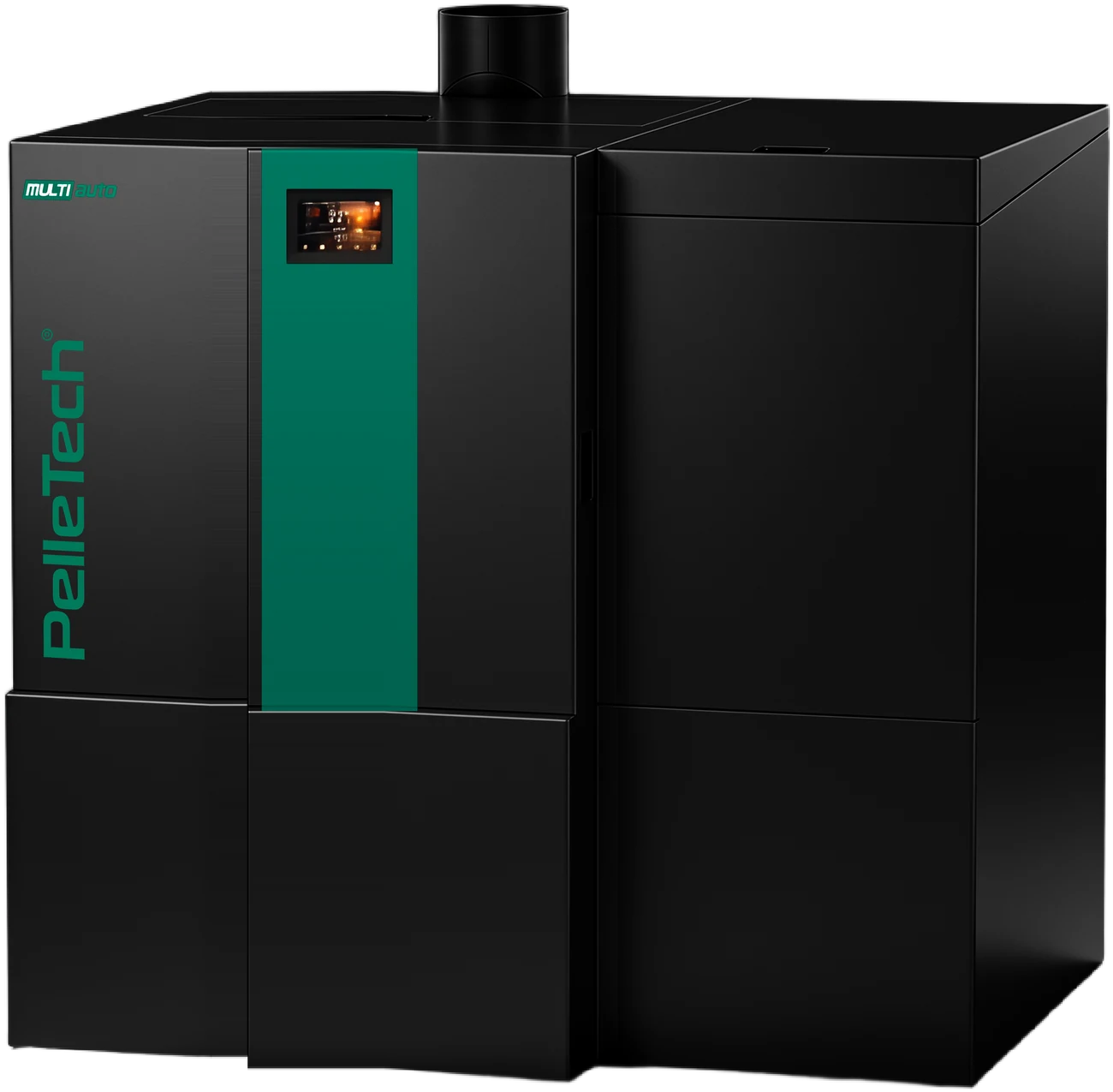
Multiauto comes in a wood-chip version, fed from a separate store with a rotary valve and stoker screw, and in a pellet version with an integrated store of 87–152 kg that is filled from above.
The IDRO industrial boiler, the BU wood chip burner and the AERO 150–500 hot-air heaters burn both wood chips and pellets. With a moving stepped grate, you can burn the fuel that is cheapest right now.