

Skip to content
Biotherm Heat AB – to the home page Contact
+46 (0)921-578 00info@biothermheat.com

01Economics

Bioenergy and economics.

With bought-in wood chips, heat costs approx. SEK 0.30/kWh. With your own forest it comes to SEK 0.15–0.20.

The bioenergy plantBurns whatever is cheapest and easiest to get hold of
Electric boiler or heat pumpCan only run on electricity
Several ways in

Several fuels, one plant

Today's plants are built for several biofuels. You can burn whatever is cheapest and easiest to get hold of – an electric boiler or a heat pump can only run on electricity. Bioenergy also gives you greater control over your energy costs.

Does it pay off?

It depends on your plant, your fuel and how you heat today. We have tools that calculate the payback period for your situation.

Heat from bought-in chips
approx. SEK 0.30/kWh
With your own forest
SEK 0.15–0.20/kWh
With bought-in chips
Somewhat more expensive

Prices as of 2023.

02Fuels

Choose the right fuel.

The fuel determines which boiler, which fuel store and which output range will suit you. Start from what is close at hand.

Fuels, output ranges and what is good to know
FuelOutput rangeGood to know
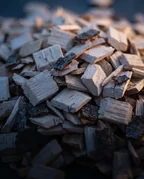
Wood chips20 kW–4.6 MWFinely chipped wood from the less valuable parts of the tree. One of the cheapest ways to heat, but wood chips need space – the fuel store and feed system are carefully planned.
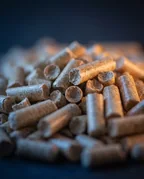
Pellets20 kW–4.6 MWPressed from dried and ground sawdust and other by-products. Even and dry, easy to automate. Stored in small bags, big bags or bulk.
Firewood10–100 kWFor the farm and the smaller property. Multiauto can burn firewood in the upper part of the firebox, together with wood chips or pellets.
Horse manure250–1,000 kWBurned in the Biotherm burner, developed with Luleå University of Technology. It handles horse manure with up to 60 % moisture content, and the manure becomes heat on site instead of being taken to landfill.
Logging residues–Felling residues: branches and tops. Recovered as wood chips at final felling.
Sawdust–Sawdust and bark from sawmills. The sawdust can be pressed into pellets or briquettes.
Briquettes–Dry sawdust or wood shavings pressed without additives. The wood's own lignin binds it together.
Peat–Sod peat is peat pressed into pieces. It is often burned together with other wood fuels.

The output range applies to our boilers for each fuel. We work out the right size for you in the heat-load calculation.

03Wood chips

Chip size andmoisture content.

Wetter wood chips mean lower output and higher consumption. The PelleTech boilers handle wood chips with up to 40 % moisture content.

Moisture content of the fuel, up to

Multiautodepending on the fuel30–40 %
PelleTech boilers40 %
The Biotherm burner60 %

Size

Chip size is now specified as P16S and P31S (G50+). Larger fractions also work, with larger screws: from 38 kW a 150 mm stoker screw is available, and industrial boilers can have feed screws of up to 180 mm. We plan coarser material together with you.

Moisture

The wetter the chips, the lower the output and the more fuel is used. Plan the fuel logistics and the ventilation of the store. A supporting floor in the chip store allows ventilation for drying.

Chip size
P16S · P31S
Moisture content, PelleTech boilers
Up to 40 %
Stoker screw from 38 kW
150 mm
Feed screw, industrial boilers
Up to 180 mm

04Fuel use

How much fuelwill you use?

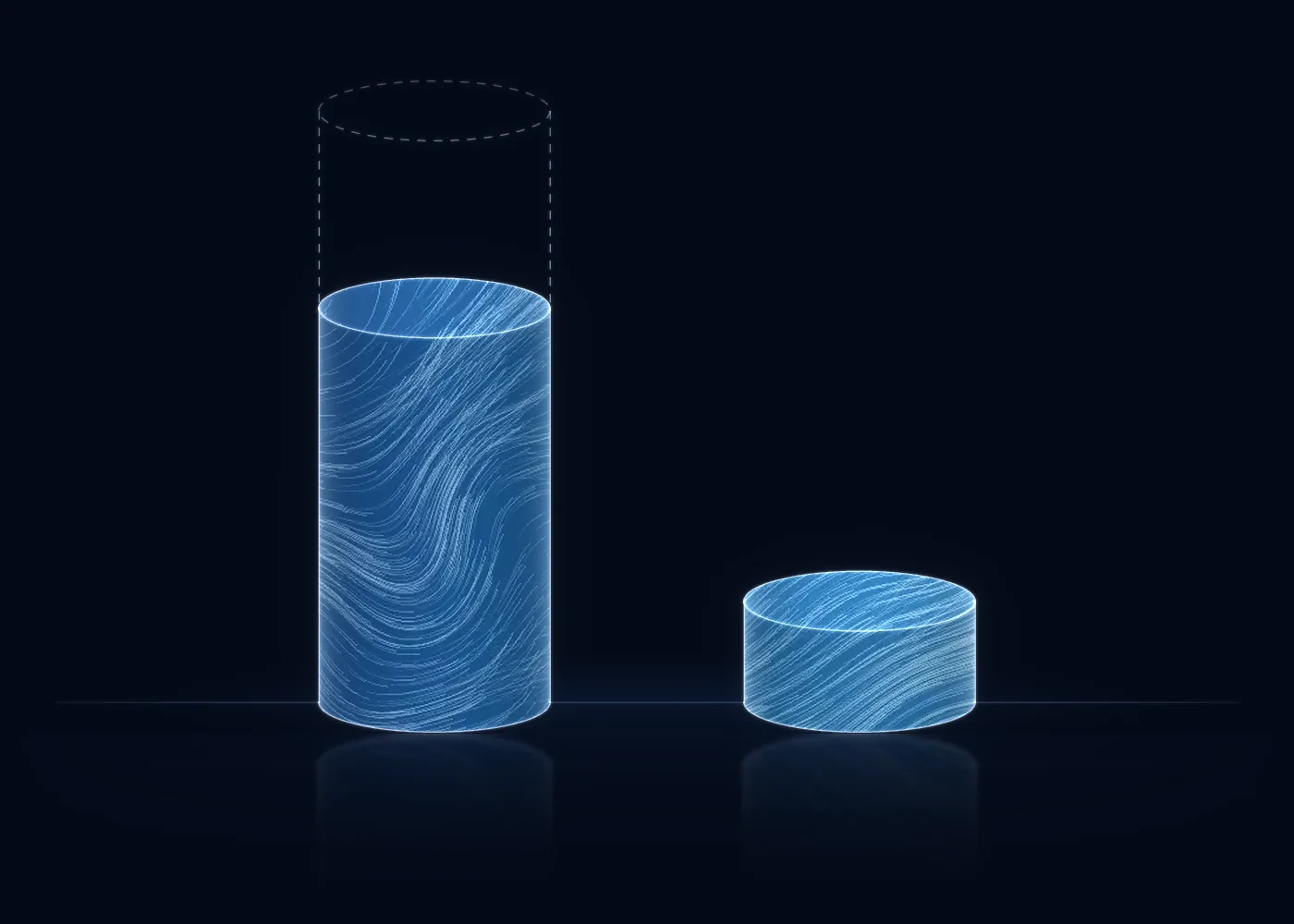
Wood chips in cubic metres per year come to roughly twice the boiler's output in kilowatts. A 100 kW boiler uses about 200 m³ of wood chips a year.

With poorer chipsup to 300 m³

200 m³Wood chips

51 m³Pellets

A 100 kW boiler, one year · height to scale by volume

The rule of thumb

Allow for twice the output – and up to three times with poorer chips. Pellets take up less space: divide the chip volume by 3.9 to get the approximate volume of pellets.

Examples of annual fuel use according to the rule of thumb
Boiler outputWood chips per yearWith poorer chipsPellets per year
50 kW100 m³150 m³26 m³
100 kW200 m³300 m³51 m³
200 kW400 m³600 m³103 m³
500 kW1,000 m³1,500 m³256 m³
1,000 kW2,000 m³3,000 m³513 m³

Calculated with the rule of thumb; approximate volumes. We work out your consumption in the heat-load calculation.

05Accumulator tank

How big an accumulatortank do you need?

Allow 20–30 litres per kW of boiler output. A 100 kW boiler then needs a tank of 2,000–3,000 litres.

Without an accumulator tankMany starts and stops

With an accumulator tankLonger run times, fewer starts

Boiler operation over timeBoiler running

Why a tank?

The boiler charges the tank and stops when it is full. That means longer run times and fewer starts and stops, and the tank stores the heat and evens out the output.

Guide value and minimum volume

The rule of thumb is a guide value. The boiler manufacturer also specifies a minimum tank volume, and we work out the exact size for your plant.

Rule of thumb
20–30 litres per kW
Tanks in our range
300–20,000 litres
Standard
5,000 litres
50 kW
1,000–1,500 l
100 kW
2,000–3,000 l
200 kW
4,000–6,000 l
500 kW
10,000–15,000 l

06Fuel stores

Silo, scraper-floor storeor spring agitator.

The fuel store is built to suit the site and the fuel. We manufacture screws and fuel stores ourselves, so the variations are almost endless.

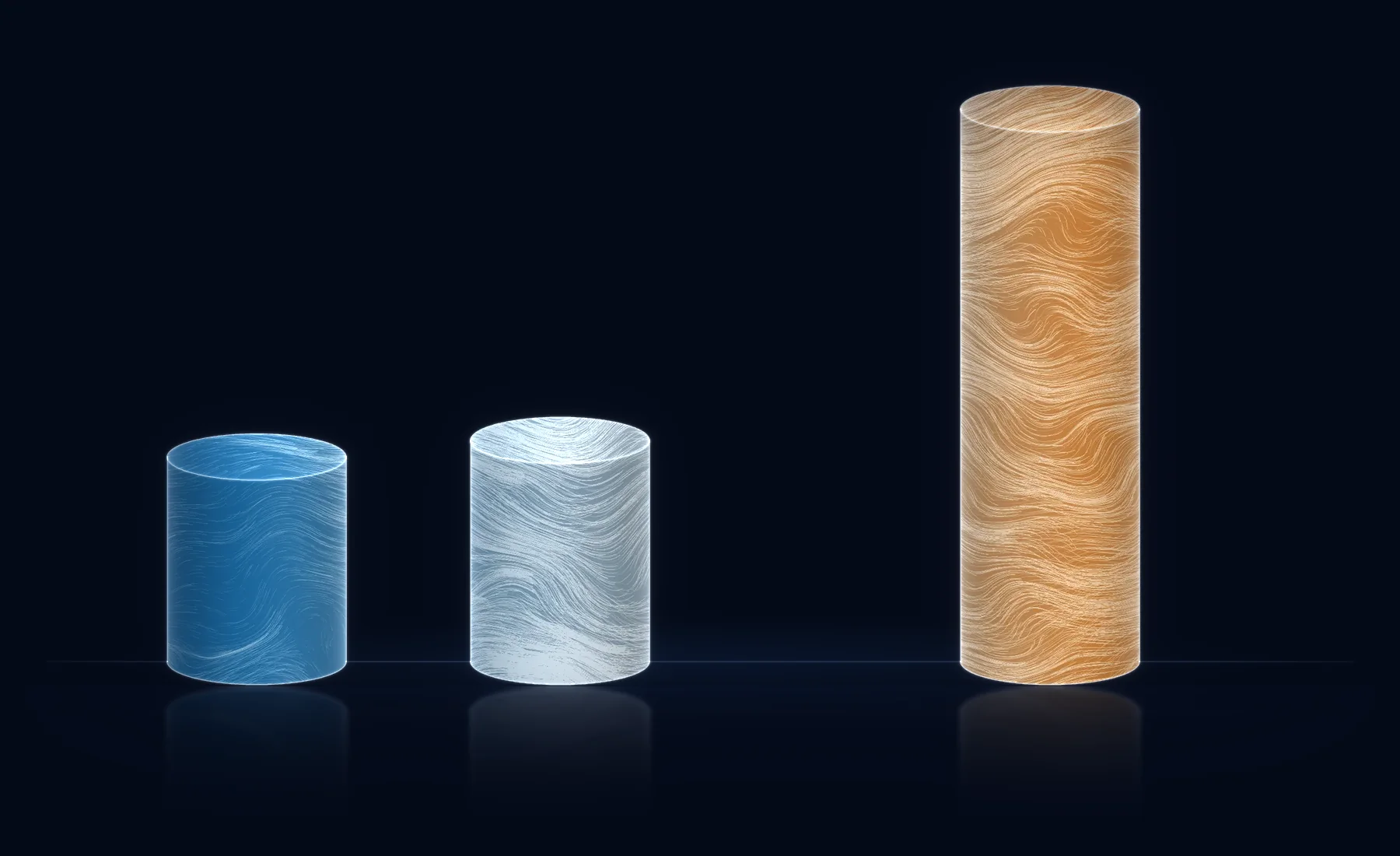
11–185m³Silos

180m³Spring agitator

500m³Scraper-floor store

Largest volume per store · height to scale by volume

Silo

For pellets. Galvanised steel, filled from above through a pipe from a bulk tanker, and feeds the boiler by screw.

Silo

Spring agitator

For wood chips. The spring arms sweep across the floor of the store and carry the fuel to the screw. Filled with wood chips to a height of at least 5 m.

Spring agitator

Scraper-floor store

For large volumes of wood chips. Scrapers in the floor move the fuel forward to the discharge screw.

Scraper-floor store

How big is the spring agitator?

The diameter is up to 4 m for the small agitators and 6 m for the largest. A supporting floor is not needed – the agitators are stable – but it gives a cleaner store and allows ventilation for drying.

Pellets in bags

Pellets can also be stored in small bags or big bags. A vacuum system can fetch pellets from a store some distance away.

07The grate

Why a movingstepped grate?

A moving grate gives better combustion and handles poorer and wetter fuels. That is why it is also used in industrial boilers.

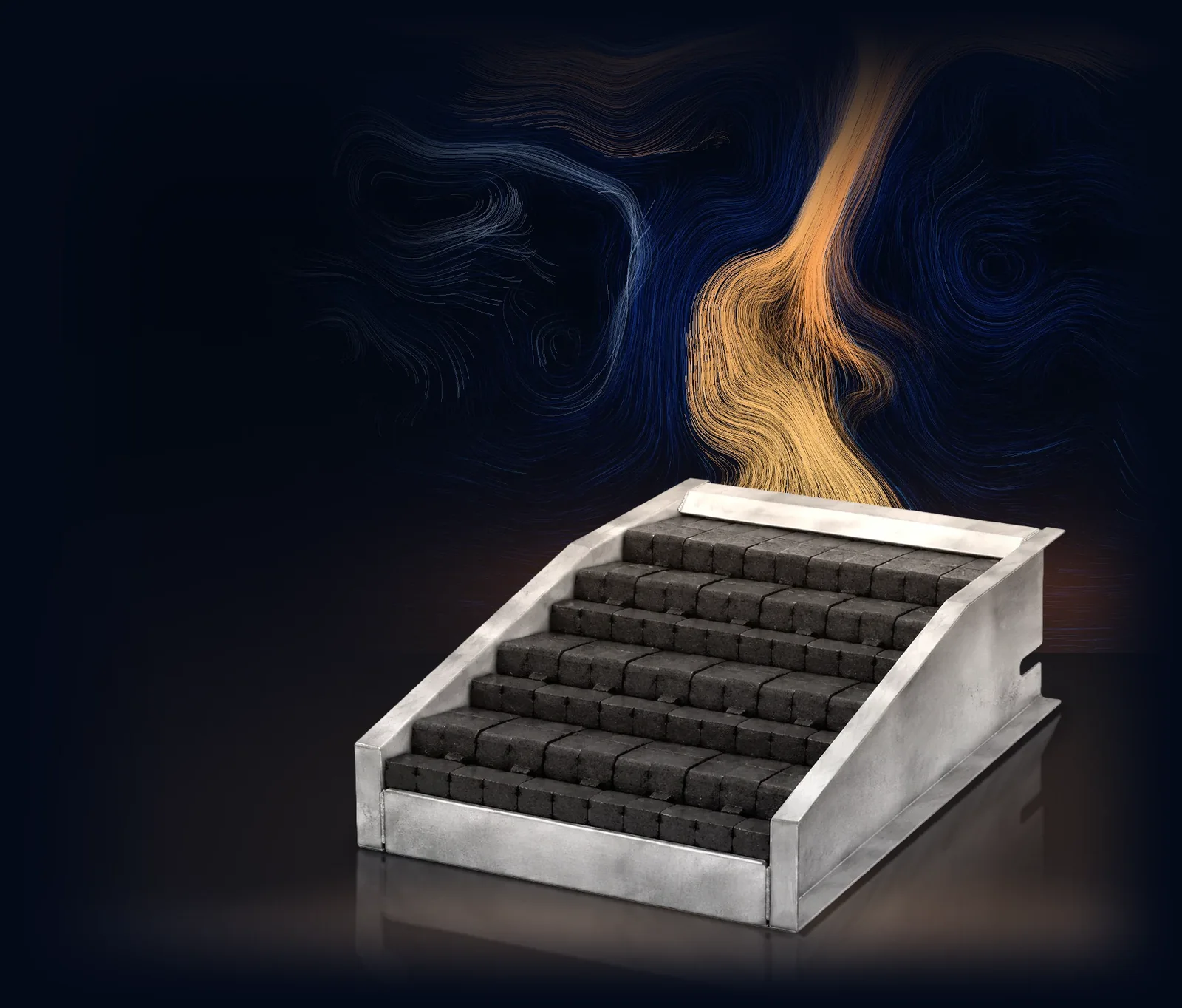
The stepped grate in Multiauto, with cast-iron grate elements and the heat rising from the fuel bed

The fuel moves while it burns

The grate moves and carries the fuel forward until it has burned out, and the ash is carried away. Breaking up the fuel bed prevents slag and clogging.

Multiauto
High-chromium cast-iron grate elements that clean themselves continuously
IDRO
Moving stepped grate with a drying zone and combustion zones
AERO 150–500
Moving grate with seven levels
BU
Cast-steel grate bars that move in two directions

08Heat-load calculation

What a heat-loadcalculation involves.

The first step is free of charge. The heat-load calculation gives you a basis for your decisions, before anything is built.

  1. 01

    Needs analysis

    We go through your heating needs, your fuels and your premises. The heat-load calculation is free of charge.

  2. 02

    Design and engineering

    Calculations, 3D drawings in IRONCAD, system documentation, and engineering and design drawings.

  3. 03

    Manufacturing

    We manufacture screws, fuel stores and our own plants ourselves, adapted to your particular site.

  4. 04

    Installation

    Assembly, commissioning and fine-tuning – the plant is handed over ready to run.

  5. 05

    Training

    We teach you how the plant works and provide operation and maintenance manuals.

  6. 06

    Service

    Once or twice a year, with alarms, remote monitoring and remote control.

The whole project, or parts of it

The boiler room is drawn in 3D and 2D with heating, plumbing and electrical drawings, and at commissioning you receive documented training. We can take on the whole project as main contractor, with buried pipework, chimney and substations, or just parts of it – local plumbing and electrical firms can also do the installation.

Free heat-load calculation

Let's calculate your heating.

Didn't find the answer? Tell us what needs heating and we will calculate it for you – the heat-load calculation is free of charge.

Call +46 (0)921-578 00

info@biothermheat.comVästerås · Luleå

Free heat-load calculation

Let's calculate your heating.

Tell us briefly about your plant and we will get back to you. The first step is free of charge.

We use your details to handle your enquiry. Read our privacy policy.

Cookie settings

Choose what may be loaded and stored.

Read more in the privacy policy